Frequently asked questions about Williams Syndrome.
Find clear, supportive information about diagnosis, health, family life, education, development and everyday support.
The people at the heart of WSAWA.
Celebrating individuals, families and the welcoming community connected through the Williams Syndrome Association of Western Australia.
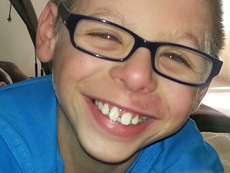 Celebrating every individual
 The heart of our community
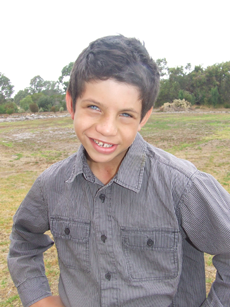 Joyful personalities
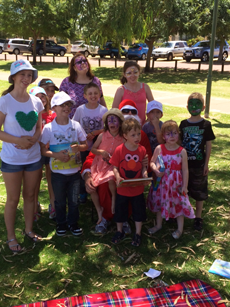 Supporting families
 A welcoming future
Helpful information for individuals and families.
Select a question below to view its answer.
01 Is it my fault that my child has Williams Syndrome?
No. Nothing you have done or not done caused your child to have Williams Syndrome. It is a genetic condition caused by a small deletion of genetic material.
Parents should not blame themselves for the diagnosis. Support, reliable information and professional guidance can help families understand the condition and plan the next steps.
02 What causes Williams Syndrome?
Williams Syndrome is caused by a deletion of genetic material from a specific region of chromosome 7.
The deletion usually occurs randomly when reproductive cells are formed and is not caused by anything a parent did during pregnancy.
03 Is there a cure for Williams Syndrome?
There is currently no cure for Williams Syndrome. However, many health, learning and developmental needs can be supported through appropriate medical care, therapy, education and early intervention.
04 Is there treatment or therapy for Williams Syndrome?
Treatment is based on each person's individual needs. Support may include physiotherapy, occupational therapy, speech therapy, educational support and medical monitoring.
Early intervention can help children develop skills, improve independence and receive support for specific health or learning needs.
05 Could anyone else in our family have Williams Syndrome?
In most families, Williams Syndrome occurs for the first time in the diagnosed individual. Occasionally, another family member may also have the condition.
A geneticist or genetic counsellor can review the family history and advise whether testing for other relatives is appropriate.
06 My child has been diagnosed with WS and family members have been told they may need blood tests. Why?
A doctor or genetic counsellor may recommend testing to confirm the diagnosis or determine whether another relative may carry the same genetic deletion.
Testing recommendations depend on the individual case and family history. Speak with the referring specialist about who should be tested and why.
07 If we have more children, will they have Williams Syndrome?
For parents who do not have Williams Syndrome, the chance of the condition occurring again is generally considered low.
A genetic counsellor can provide advice based on your specific family history and test results.
08 My child with WS has feeding problems. What should I do?
Discuss feeding difficulties with your child's general practitioner or paediatrician. Depending on the concern, they may refer your child to a dietitian, speech pathologist, occupational therapist or feeding clinic.
Seek prompt medical assistance if feeding problems are affecting hydration, growth, breathing or swallowing.
09 My child with WS will not sleep. What should I do?
Speak with your general practitioner or paediatrician about ongoing sleep difficulties. They can assess possible medical, behavioural or environmental causes.
Keeping a sleep diary and following a consistent bedtime routine may help your healthcare professional understand the pattern.
10 Will my child go into mainstream or special-needs education?
The most suitable educational setting depends on your child's abilities, learning needs, available support and where they are most likely to feel safe and included.
Families should work with teachers, specialists and education professionals to develop an individualised support plan.
11 Our doctor has never heard of Williams Syndrome. What should I do?
Williams Syndrome is uncommon, so some healthcare professionals may have limited experience with it.
Ask for a referral to an appropriate paediatrician, geneticist or specialist and provide your doctor with reliable clinical information about the condition.
12 When will a child with WS go through puberty?
Puberty timing varies from person to person. Some children with Williams Syndrome may experience puberty earlier or later than expected.
Discuss any concerns with your child's doctor, who may recommend assessment by a paediatric endocrinologist.
13 When will a woman with WS go through menopause?
Menopause timing can vary. A general practitioner or women's health specialist can provide personalised advice and investigate symptoms or concerns.
14 Can people with Williams Syndrome have children?
Some adults with Williams Syndrome may be able to have children. Decisions about relationships, pregnancy and parenting should involve informed consent, appropriate support and professional medical advice.
15 Will a person with WS pass Williams Syndrome to their children?
A person with Williams Syndrome has a chance of passing the genetic deletion to each child.
Anyone considering pregnancy should speak with a geneticist or genetic counsellor for individual advice and reproductive information.
16 My child has Williams Syndrome. What should we know about heart conditions?
Some people with Williams Syndrome have cardiovascular conditions and may require regular monitoring by a cardiologist.
The type and severity of heart involvement differ between individuals. Follow the assessment and monitoring plan recommended by your child's specialist.
17 What is the life expectancy for someone with Williams Syndrome?
Life expectancy varies and can be affected by the individual's health conditions, particularly significant cardiovascular or kidney concerns.
Regular medical care, early identification of problems and appropriate treatment are important throughout life.
18 Can Williams Syndrome be mild or severe?
Williams Syndrome affects each person differently. Health, development, learning, communication and independence can vary considerably between individuals.
A person's needs should be assessed individually rather than predicted only from the diagnosis.
19 My child has Williams Syndrome and has also been diagnosed with autism. Can this be correct?
A person can have Williams Syndrome and also meet the diagnostic criteria for autism or another developmental condition.
A multidisciplinary assessment can help identify the person's individual communication, sensory, behavioural and learning support needs.
20 Why can my family member with WS struggle with certain noises?
Some people with Williams Syndrome experience increased sensitivity to sound. Particular noises may feel uncomfortable, frightening or overwhelming.
An audiologist, occupational therapist or medical professional can help assess the concern and recommend practical strategies.
21 Is there a recommended diet for people with Williams Syndrome?
There is no single diet that is suitable for every person with Williams Syndrome.
Dietary needs may be influenced by growth, feeding difficulties, allergies, blood calcium levels or other health conditions. Consult a doctor or accredited practising dietitian before making significant dietary changes.
Could not find the answer you were looking for?
Connect with the Williams Syndrome Association of Western Australia for local information, membership, community events and support.